Unlimited Banchan in Korea: The Surprising History of Free Refills
Why do Korean restaurants refill side dishes for free, forever? The history goes back to wartime poverty, and the tradition is now under real strain.
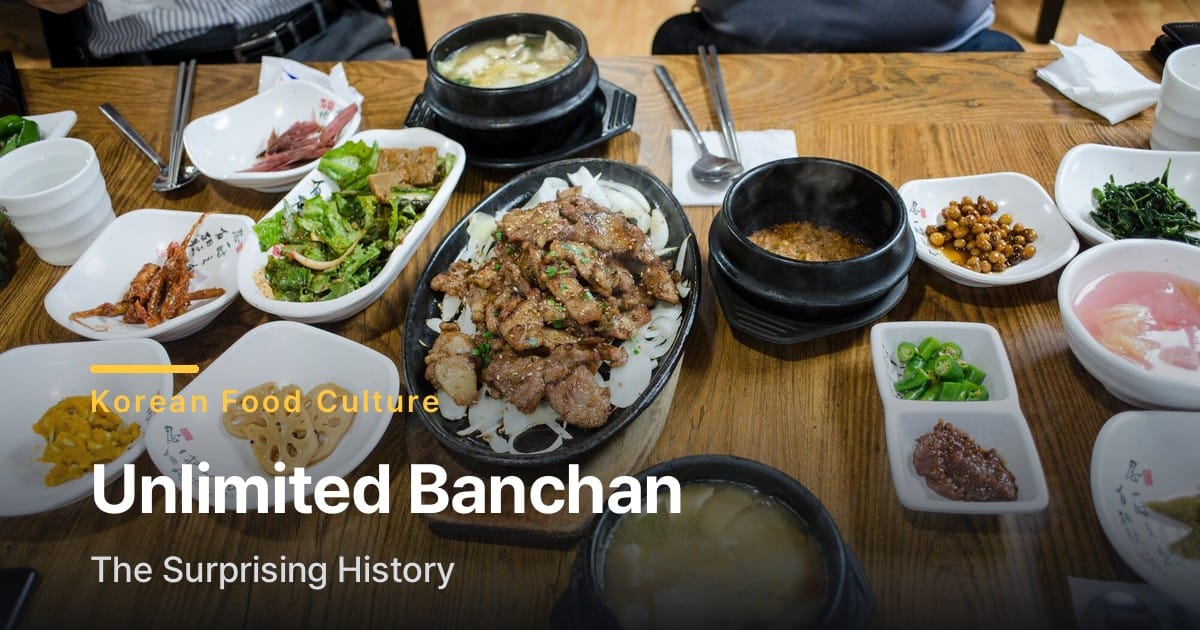
The first time I brought a friend from abroad to a Korean restaurant, I watched their face change the moment a fourth banchan refill showed up, unasked. "Wait, is this... free?" they kept asking, half-convinced there'd been some mix-up with the bill. I grew up with side dishes appearing and reappearing on the table without a second thought, so their disbelief actually caught me off guard.
It made me want to dig into why this happens here, and pretty much nowhere else.
Where It Began
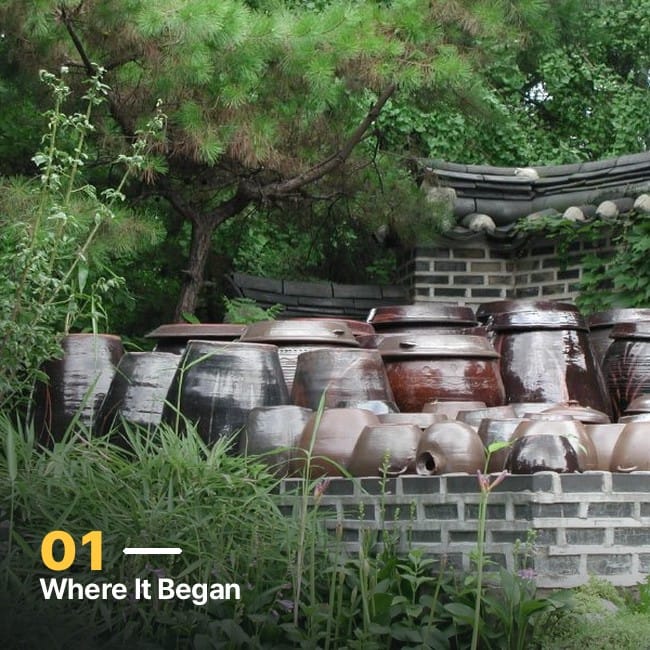
Go back far enough and the story starts with hardship, not hospitality. During the Korean War, the reconstruction years that followed, and later the 1997 financial crisis, white rice was often more expensive than kimchi or the seasoned vegetables that make up most banchan. Restaurants padded out a meal with extra side dishes so customers could fill up even when rice itself was scarce or costly. The habit stuck around long after the shortages ended.
There's an older layer to it too. During Korea's early kingdoms, Buddhist influence discouraged eating meat, which pushed vegetable-based side dishes to the center of the table. Meat came back into the diet eventually, but banchan never really lost its place.
The Spirit of Jeong
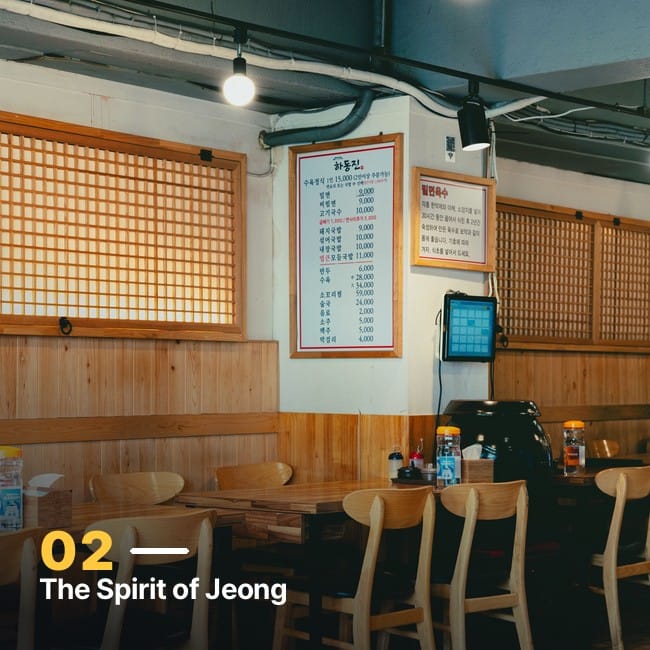
Ask a Korean person why the side dishes keep coming and you'll often hear one word: jeong (정). It's usually translated as affection or warmth, but that undersells it. Jeong is the impulse to give someone more than they strictly asked for, food, time, help, because that's what closeness looks like in practice. Feeding a guest generously is one of its clearest expressions.
That's part of why banchan traditionally sits in shared dishes at the center of the table instead of on individual plates. Eating from the same bowl breaks down formality fast. It's a small, physical way of saying "you're one of us now," and refilling the side dishes without being asked is an extension of the same instinct.
Why Visitors Are Stunned
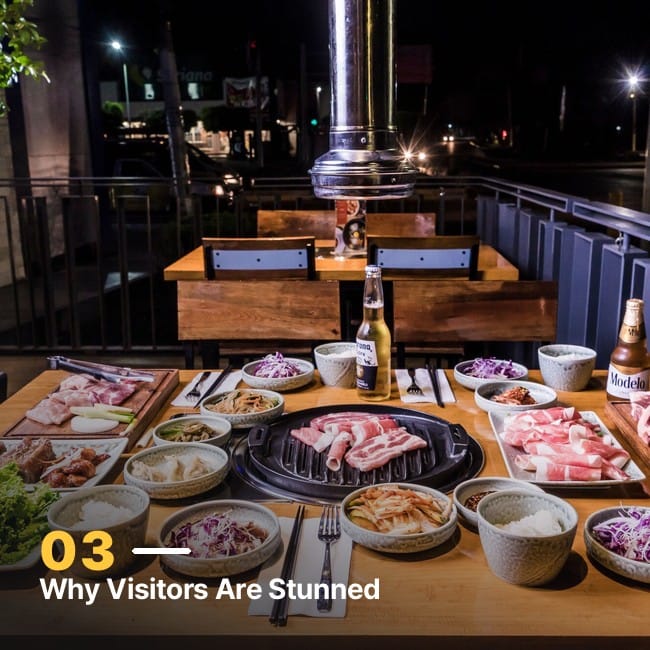
Koreans themselves talk about this online, actually. A common question on Korean Q&A forums is some version of "why is our country such a superpower of free restaurant refills?" One popular answer points out that Korea may be the only country where both water and side dishes come free and unlimited as a baseline. In parts of Europe, tap water gets a strange look from the waiter, and paying for a public restroom isn't unusual either.
For a lot of foreign visitors, the banchan refill is the first real culture shock of a Korean meal, and it's a pleasant one. It's also part of why the tradition is so hard for restaurant owners to walk back, even when the economics stop making sense.
Rising Costs, Real Strain
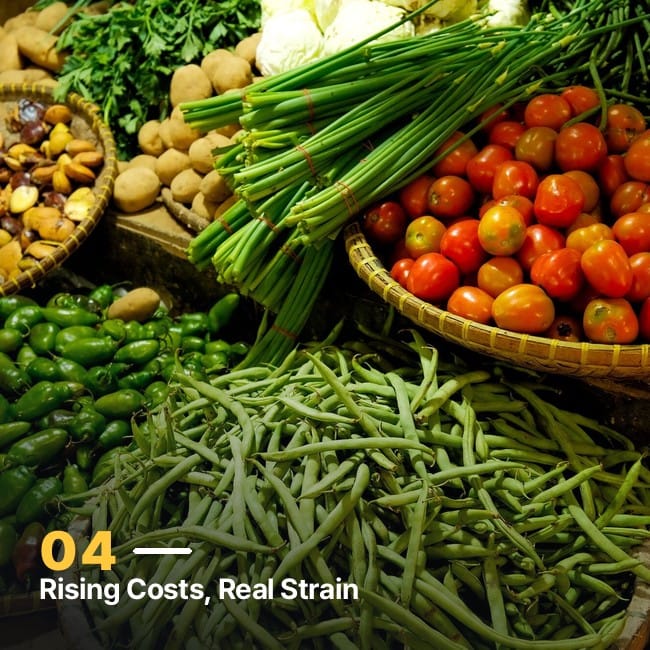
And the economics genuinely have gotten harder. Produce prices have climbed sharply in Korea recently, a trend some outlets have taken to calling "agflation," and it's squeezing small restaurant owners hard. In online communities for restaurant operators, there's real debate now about whether to start charging for banchan. The complaint shows up again and again: a cheap bowl of gukbap paired with unlimited refills of increasingly expensive side dishes just doesn't pencil out anymore.
The compromise a lot of places are landing on is to keep the basics (kimchi, bean sprouts, that kind of thing) free, while charging separately for pricier add-ons like extra meat or seafood banchan. It's not the clean, generous tradition it once was, but it's a way to keep some version of it alive.
A Hygiene Reckoning
There's a less flattering side to this story, and it's worth being upfront about it. Reports keep surfacing of restaurants quietly serving one customer's leftover, uneaten banchan to the next table instead of throwing it out. Food safety experts have flagged real risk here: food that's been in contact with someone else's saliva can carry Hepatitis A, and H. pylori, the bacteria linked to stomach cancer, is classified by the International Agency for Research on Cancer as a Group 1 carcinogen. This isn't a hypothetical concern.
It's pushed some restaurants toward a compromise: keep the free refills, but change how they're served.
Serve Yourself, They Said
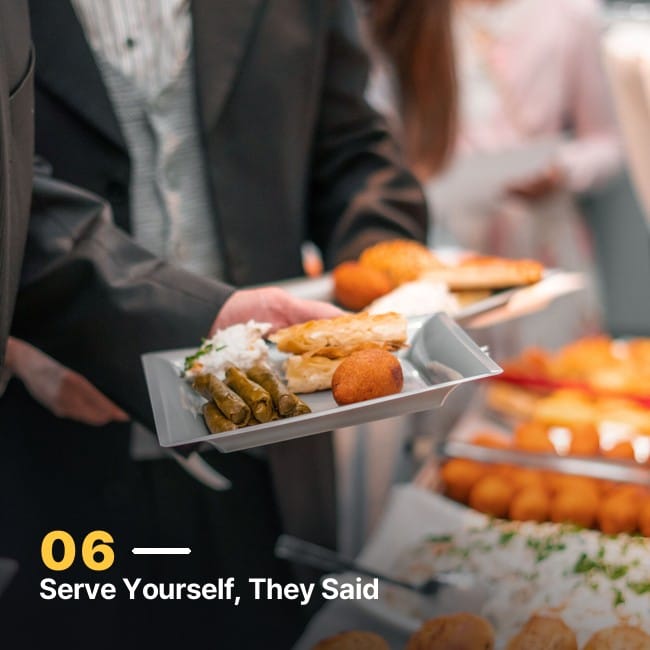
Walk into a lot of newer Korean restaurants now, grilled fish places, ssam-vegetable joints, pork cutlet shops, and you'll find a self-serve banchan bar instead of a server bringing refills to the table. Customers walk up and portion out exactly what they want. It sounds like a small shift, but it solves two problems at once: no one's leftovers go back out to another table, and the restaurant doesn't need extra staff running refills all night. Some places have taken it further, adding drinks and ssam vegetables to the same self-serve counter.
So the honest answer to "why is banchan unlimited" isn't just "Korean hospitality," although that's real and it matters. It's also a habit born from a poorer era, kept alive by a very specific cultural idea of generosity, and now being quietly renegotiated by inflation and food safety concerns at the same time. Tradition doesn't always win those negotiations cleanly, and this one's still being worked out one restaurant at a time.
I still think about my friend's face at that table. I don't think I ever gave them a real answer that night. Now I finally have one.
Image credit: kimchi jar photo via Wikimedia Commons, CC BY 2.0 license.